
2025⦅ Furniture ⦅ SOGA - Furniture Edition 01
__
Text
Text
| EN
In a world overflowing with objects, have we become like “fish unaware of water,” overlooking the familiar things around us?
In Japan, there is an aesthetic sensibility known as MITATE—finding new value by separating objects from their original functions or meanings and perceiving them as something else. Ordinary objects and vessels have long been used as tea utensils to welcome guests, while stones and sand in Japanese gardens have represented mountains, water, and landscapes.
SOGA begins with this same sensibility of MITATE. Objects so familiar in urban life that their forms go unnoticed are separated from their functions and reconsidered as materials. To these materials, SOGA applies ikkanbari, a traditional Japanese technique passed down for centuries and used for tea utensils and everyday objects.
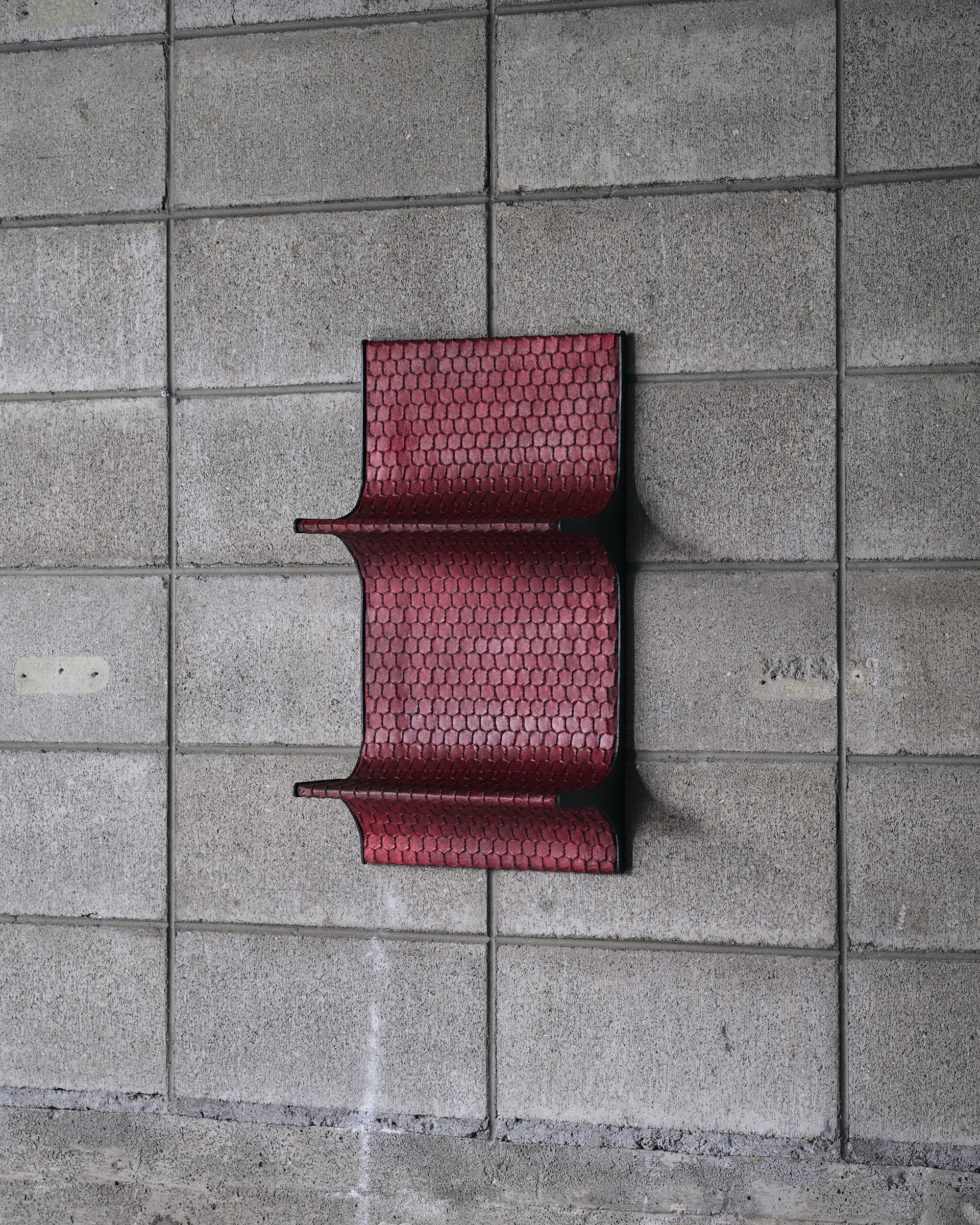
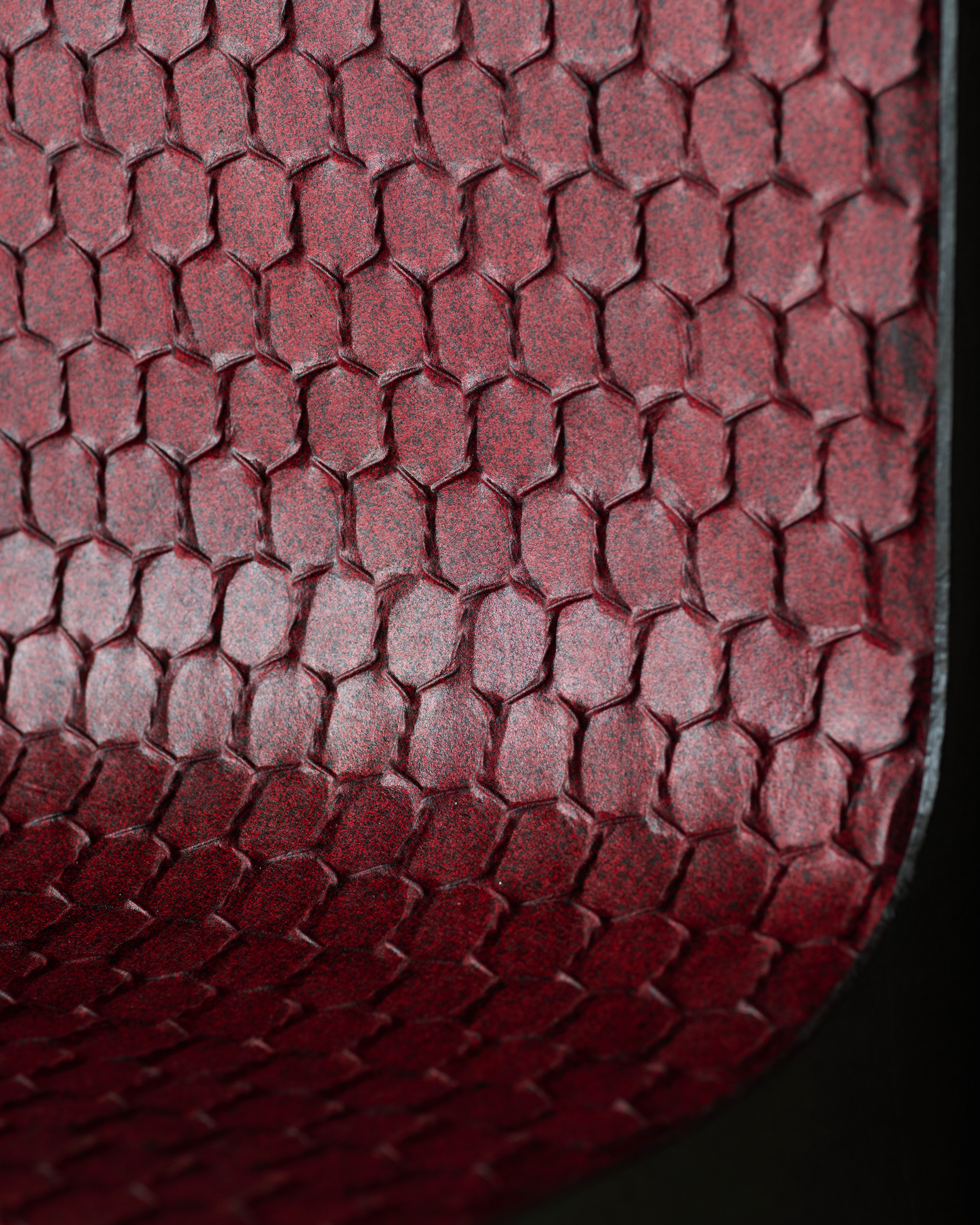
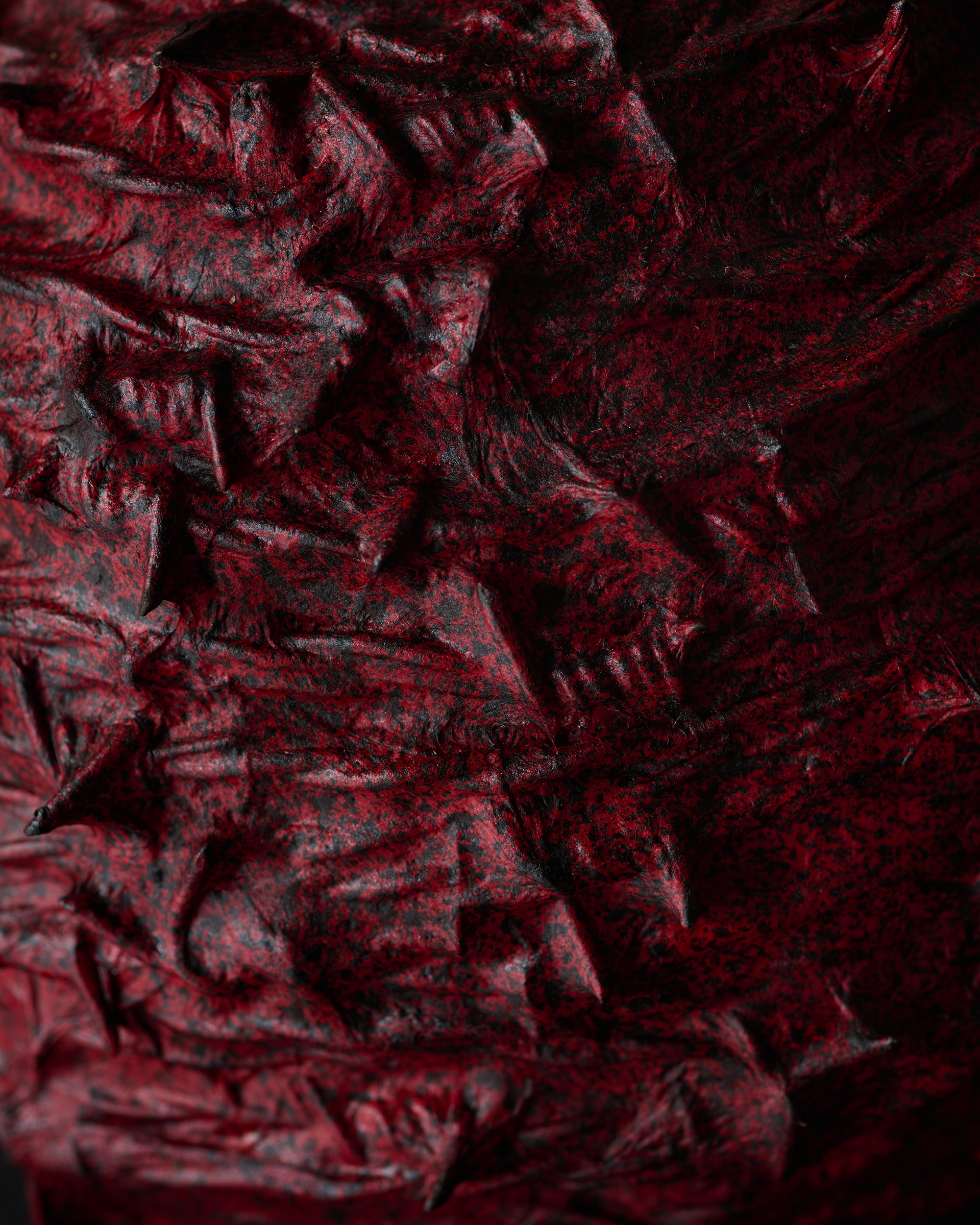
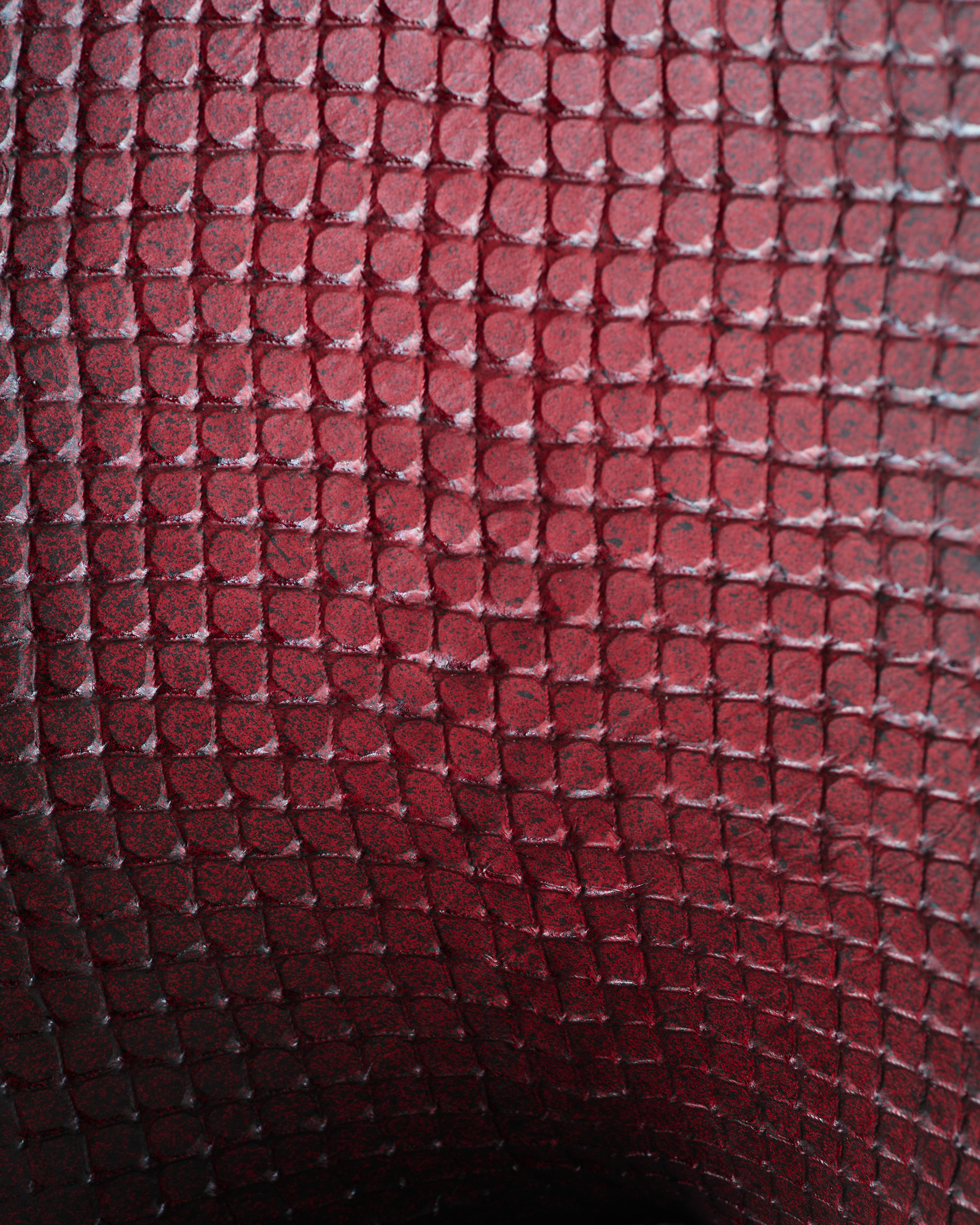
By covering their surfaces with washi paper and persimmon tannin, existing structures—grids, connections, and repetitions—emerge, giving the materials new forms and contours.
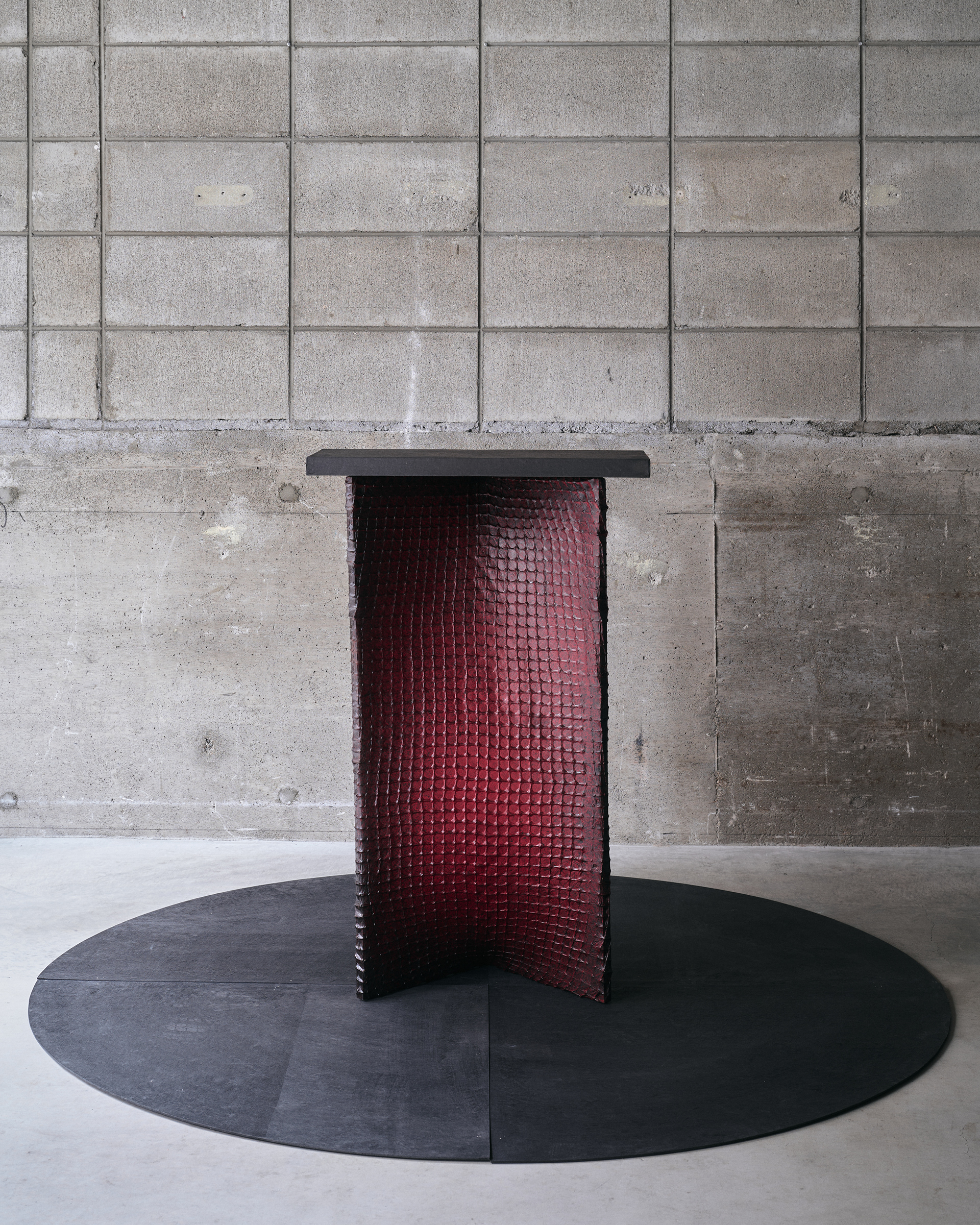
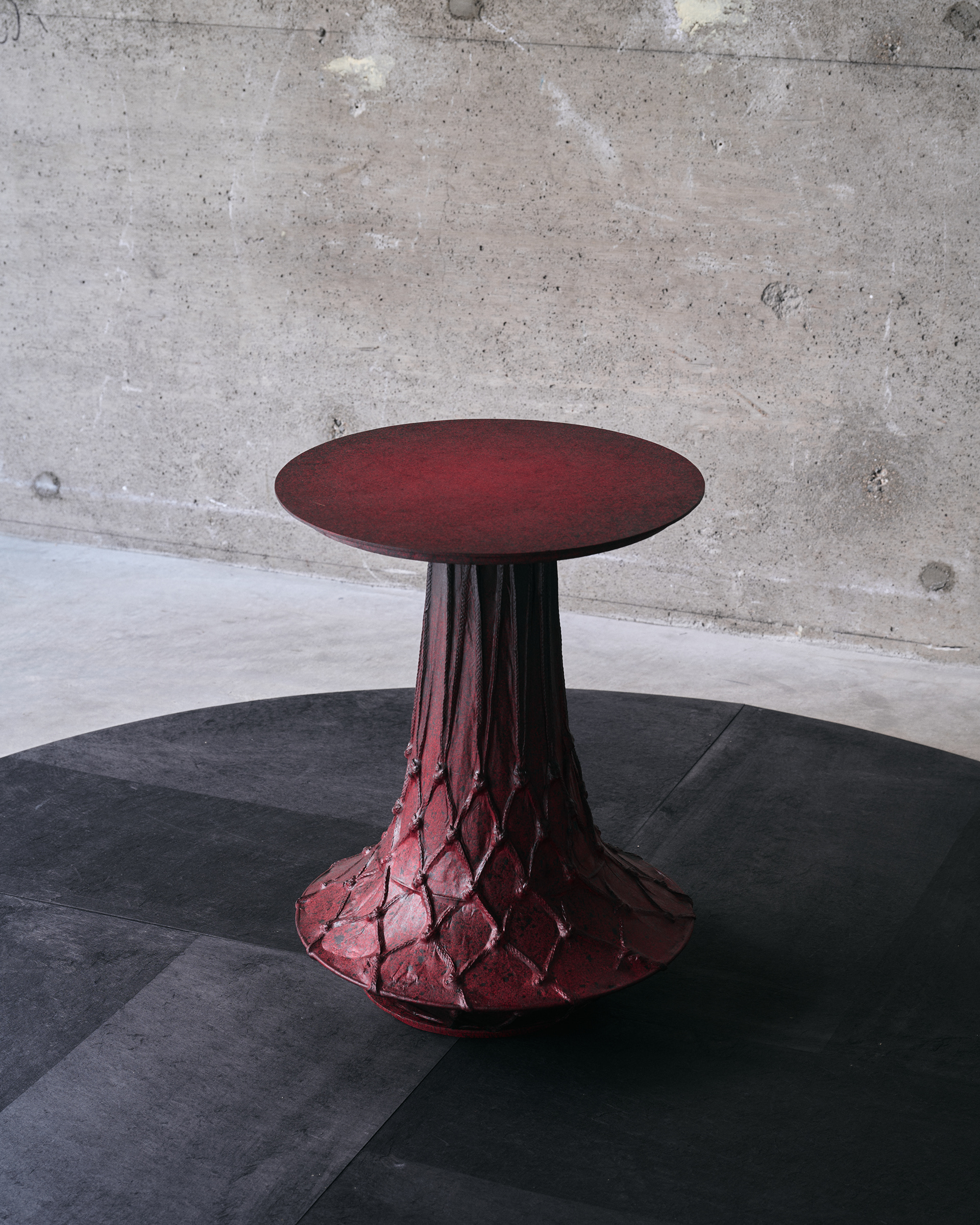
In this series, SOGA extends this approach to furniture. Materials once serving other purposes in urban environments are transformed into tables and shelves, objects connected to the human body and everyday life, exploring new relationships between material and function. Organic forms and the functionality of furniture. Moving between the two, this experimental series explores how existing materials can give rise to new possibilities for furniture.
In a world overflowing with objects, have we become like “fish unaware of water,” overlooking the familiar things around us?
In Japan, there is an aesthetic sensibility known as MITATE—finding new value by separating objects from their original functions or meanings and perceiving them as something else. Ordinary objects and vessels have long been used as tea utensils to welcome guests, while stones and sand in Japanese gardens have represented mountains, water, and landscapes.
SOGA begins with this same sensibility of MITATE. Objects so familiar in urban life that their forms go unnoticed are separated from their functions and reconsidered as materials. To these materials, SOGA applies ikkanbari, a traditional Japanese technique passed down for centuries and used for tea utensils and everyday objects.
By covering their surfaces with washi paper and persimmon tannin, existing structures—grids, connections, and repetitions—emerge, giving the materials new forms and contours.
In this series, SOGA extends this approach to furniture. Materials once serving other purposes in urban environments are transformed into tables and shelves, objects connected to the human body and everyday life, exploring new relationships between material and function. Organic forms and the functionality of furniture. Moving between the two, this experimental series explores how existing materials can give rise to new possibilities for furniture.
| JP
ものに溢れた現代、私たちは「水を知らない魚」のように、身の回りにあるものを当たり前のものとして見過ごしてはいないだろうか。
日本には古くから「見立て」という、ものを本来の用途や意味から切り離し、別のものとして捉えることで、新たな価値を見出す美意識がある。名もない日用品や器が、客人をもてなすための茶道具として取り入れられ、庭では石や砂が、山や水の風景として捉えられてきた。
SOGA もまた、こうした「見立て」の感覚から始まる。都市の中にあまりにも当たり前に存在し、普段はその形を意識することさえないものを、一度その用途から切り離し、ひとつの素材として捉え直す。そこに、日本で数百年にわたり受け継がれ、茶道具や暮らしの道具にも用いられてきた一閑張の技法を施す。和紙と柿渋によって表面を覆うことで、編み目、連なり、反復といった、もともとそこに存在していた構造を浮かび上がらせ、これまでとは異なる輪郭を持つ造形として立ち上げる。
本シリーズでは、このSOGA の手法を家具のスケールへと展開。
都市の中で別の役割を担っていた素材を、テーブルやシェルフといった、人の身体や暮らしに関わるものへと置き換えることで、素材と機能の新たな関係を探った。有機的な造形と家具としての機能。そのあいだを行き来しながら、既存の素材からどのような新しい家具のあり方を生み出せるのかを検証した、実験的な作品である。
ものに溢れた現代、私たちは「水を知らない魚」のように、身の回りにあるものを当たり前のものとして見過ごしてはいないだろうか。
日本には古くから「見立て」という、ものを本来の用途や意味から切り離し、別のものとして捉えることで、新たな価値を見出す美意識がある。名もない日用品や器が、客人をもてなすための茶道具として取り入れられ、庭では石や砂が、山や水の風景として捉えられてきた。
SOGA もまた、こうした「見立て」の感覚から始まる。都市の中にあまりにも当たり前に存在し、普段はその形を意識することさえないものを、一度その用途から切り離し、ひとつの素材として捉え直す。そこに、日本で数百年にわたり受け継がれ、茶道具や暮らしの道具にも用いられてきた一閑張の技法を施す。和紙と柿渋によって表面を覆うことで、編み目、連なり、反復といった、もともとそこに存在していた構造を浮かび上がらせ、これまでとは異なる輪郭を持つ造形として立ち上げる。
本シリーズでは、このSOGA の手法を家具のスケールへと展開。
都市の中で別の役割を担っていた素材を、テーブルやシェルフといった、人の身体や暮らしに関わるものへと置き換えることで、素材と機能の新たな関係を探った。有機的な造形と家具としての機能。そのあいだを行き来しながら、既存の素材からどのような新しい家具のあり方を生み出せるのかを検証した、実験的な作品である。
__
Photo
Photo